
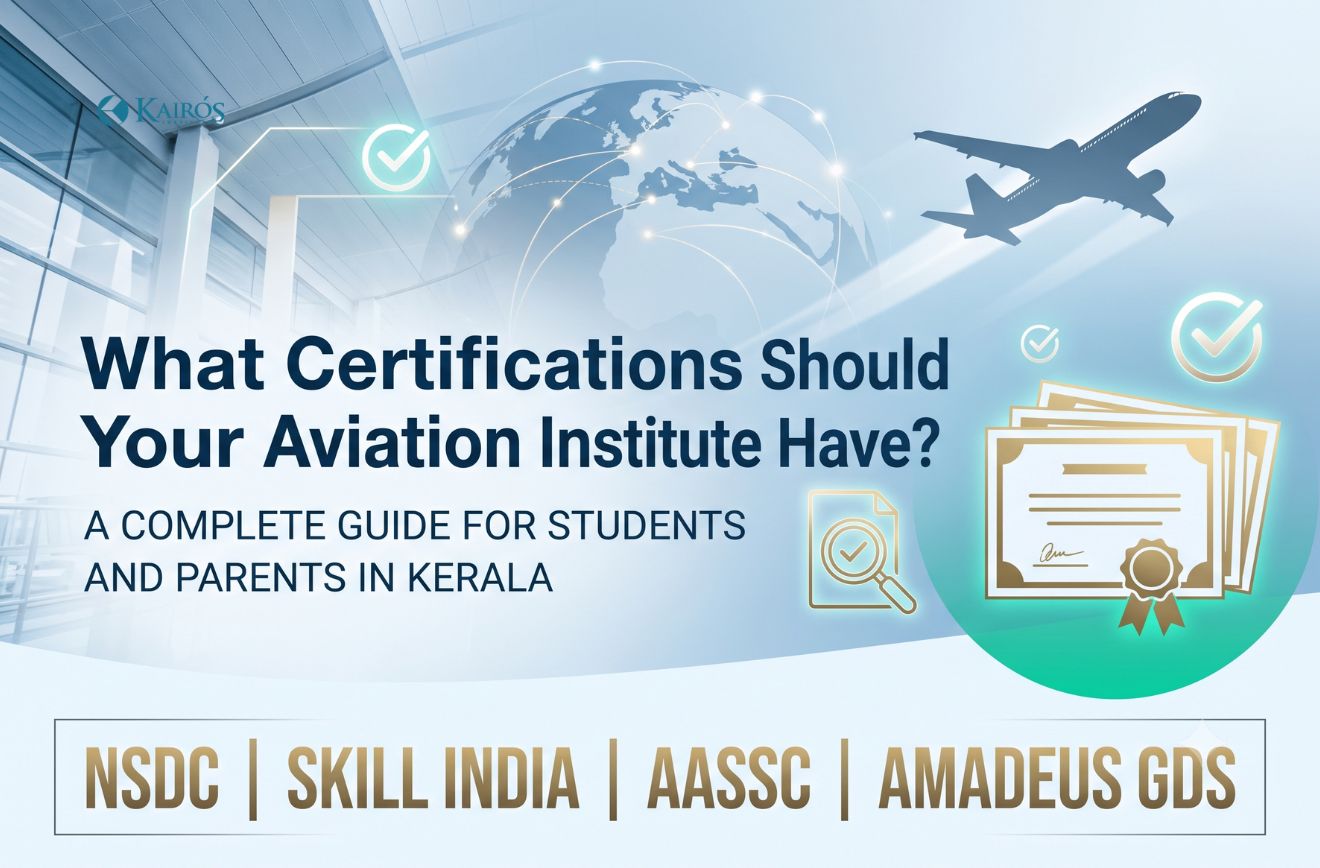
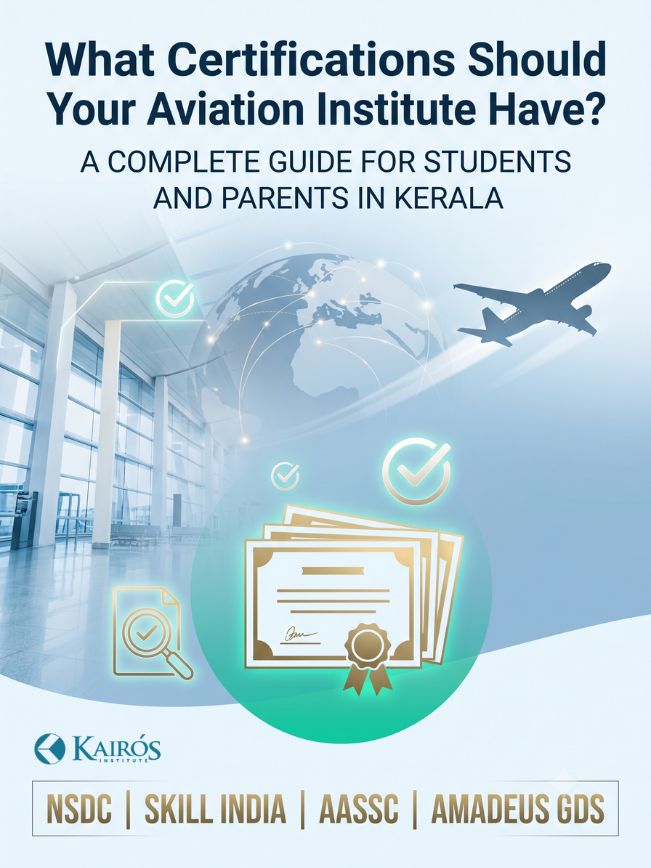
What Certifications Should Your Aviation Institute Have? A Complete Guide for Students and Parents in Kerala
Admissions Started
Book your seat Now!
- AIRPORT MANAGEMENT
- LOGISTICS & SUPPLY CHAIN MANAGEMENT
- HOSPITAL ADMINISTRATION
- DIPLOMA & PG DIPLOMA
- 6 MONTHS & 1 YEAR
Here is a question that does not get asked enough before enrolment:
"Is this institute actually recognised — and by whom?"
Students are often told a course is "certified" or "accredited" without anyone explaining what that actually means. And parents, trusting that a professional-looking brochure equals legitimacy, sometimes miss the one question that matters most.
This blog explains in plain language what certifications a quality aviation institute in Kerala should hold, what each certification body actually does, why it matters for your career, and what to look for before you hand over your fees and your next one to three years.
No jargon. No vague claims. Just what you actually need to know.
Why Certification Is the Most Important Thing to Check Before Joining an Aviation Course
Let's start with the uncomfortable truth: not all aviation institutes in Kerala are equal. There are over 17 institutes offering aviation-related programmes in Kochi alone. Many of them claim to offer "certified" or "industry-recognised" training. But a certificate is only as valuable as the body that issues it.
A certificate from an institute with no recognised accreditation is, in practical terms, a piece of paper. It may look professional. It may have a seal on it. But when an IndiGo HR team or an Aster Medcity recruiter looks at your CV, the question they ask is not "does this person have a certificate?" It is "who issued this certificate, and do I trust it?"
That is the difference between a qualification that opens doors and one that does not.
The Two Questions to Ask Any Aviation Institute Before Enrolling
Before anything else, before fees, before batch timings, before campus visits, ask these two questions:
Question 1: "Which government body or industry body recognises your certificate?"
A legitimate institute will answer this immediately and specifically. They will name the exact body NSDC, Skill India, AASSC, or a university affiliation, and will be able to show you the registration or certification documentation if you ask.
Question 2: "Is your certificate verifiable online or through a government portal?"
When an institute is genuinely NSDC-affiliated, student enrolment and training progress are recorded on the Skill India Portal, making the student profile searchable and verifiable by employers nationwide. If an institute cannot tell you how to verify your certificate after you receive it, that is a serious red flag.
Now, let's go through each certification body and what it actually means.
NSDC — National Skill Development Corporation
What it is: The National Skill Development Corporation (NSDC) is a Public-Private Partnership initiative under the Ministry of Skill Development and Entrepreneurship, established to bridge the gap between industry requirements and the skills of India's workforce.
What it means for you: An NSDC-registered training partner has been vetted by the Government of India. The curriculum has been reviewed against National Occupational Standards (NOS), which are essentially the official definition of what skills a specific job role requires. This is not a rubber stamp. It means the institute has met a defined quality bar.
Why it matters for aviation students specifically: NSDC certifications are recognised by private companies, MSMEs, large enterprises, and even government-related projects. Employers view it as a sign that the person has gone through a training programme that is well-structured and meets standardised practices.
In practical terms, when you apply for a ground staff role at Cochin International Airport, or a customer service role at an airline, an NSDC-backed certificate from a registered training partner adds credibility that a generic private institute certificate simply does not carry.
International relevance: NSDC International is an initiative aimed at equipping individuals with globally recognised skills and certifications, preparing skilled professionals for international job markets, and facilitating employment opportunities worldwide. For Kerala students targeting Gulf aviation roles: UAE, Qatar, Oman, Saudi Arabia, this international recognition layer matters.
Skill India — The Government's Skilling Mission
What it is: The Skill India Mission was launched by the Government of India to skill, reskill, and upskill India's youth with industry-relevant training. NSDC is the implementing body of Skill India.
What it means for you: When an institute says it is "Skill India affiliated" or "registered under Skill India," it means it is a recognised training partner operating within the government's official skilling framework. Since Sector Skill Councils are directly involved in designing the curricula, the certifications match real job requirements, and employers immediately recognise the credibility.
The practical difference: In 2026, the Skill India Mission continues to offer government-certified programmes and job-oriented skill training programmes for students, freshers, and working professionals. A student who graduates from a Skill India-registered programme is entering the job market with a government-endorsed credential — not just a privately issued certificate.
AASSC — Aerospace and Aviation Sector Skill Council
This is the most important certification body specifically for aviation management and airport operations students — and the one most students in Kerala have never heard of.
What it is: The AASSC is the apex body for skill development in the aerospace and aviation sectors in India. Formed under the aegis of the National Skill Development Corporation (NSDC) and the Ministry of Skill Development and Entrepreneurship, it was established to standardise training across the country. The council is promoted by industry titans including Hindustan Aeronautics Limited (HAL), the Bangalore Chamber of Industries and Commerce (BCIC), and the Society of Indian Aerospace Technologies and Industries (SIATI).
Why this matters more than anything else for aviation students: AASSC specifically governs standards for airport operations, ground handling, cabin crew training, air cargo management, and aviation hospitality — exactly the roles that Kairos students are trained for and placed in.
In 2026, recruiters from top-tier airlines like IndiGo, Air India, and Qatar Airways are looking for more than just a degree; they are looking for validated competence. AASSC constantly updates its Qualification Packs (QPs) and National Occupational Standards (NOS), which define exactly what an individual must know and do to perform a specific job role, from ground handling to aviation security.
International career advantage: Because AASSC certification is aligned with international quality frameworks, it provides transnational mobility. If you dream of working for international carriers or at global hubs like Dubai or Singapore, having a government-backed, industry-validated certification makes your resume stand out in a global pool of candidates.
For Kerala students specifically, where Gulf aviation careers are a major aspiration, AASSC recognition is the credential that makes that ambition credible on paper.
Amadeus — Global Distribution System Certification
What it is: Amadeus is the world's leading Global Distribution System (GDS), the software platform used by airlines, travel agents, and airport operations teams worldwide to manage reservations, ticketing, check-in, and inventory.
What it means for you: When an aviation institute is an Amadeus-certified training partner, it means students are trained on the actual software used by airlines globally, not a simulation, not a locally built replica, but the real system. Airlines like Air India, IndiGo, Emirates, and most international carriers all use Amadeus or compatible GDS platforms.
For students pursuing ticketing, reservation, or airport operations roles, Amadeus proficiency is not optional; it is expected. Being trained by an Amadeus-certified institute means you walk into your first interview already competent on the platform that your employer uses daily.
Other Recognised Partners Worth Knowing
FICS — Forum for International Certified Scholars: An international certification body that adds global recognition to training programmes. Particularly relevant for students targeting international aviation roles.
IGNET — Indira Gandhi National Educational Trust: A nationally recognised educational trust that adds credibility and recognition to training programmes, particularly for students from Kerala and South India.
MSME — Ministry of Micro, Small and Medium Enterprises: Registration under MSME recognises the institute as a legitimate, government-registered business entity, an important baseline quality signal.
SAP Certification: SAP is a global enterprise resource planning platform used in aviation logistics, cargo management, and airline back-office operations. SAP-trained students have a specific and valued skill set for airline and logistics roles.
STED — Scientific and Technical Education Development Council: Adds recognition for technical and skill-based training programmes across India.
Startup India: Registration under Startup India recognises the institute as part of India's government-backed innovation ecosystem, a signal of institutional credibility and national standing.
What This Means When You Are Comparing Institutes
Most aviation institutes in Kerala will show you a list of partner logos. Here is how to actually evaluate them:
Step 1 — Check for NSDC or Skill India registration: This is the baseline. If an institute is not registered with NSDC or affiliated with Skill India, everything else is a private arrangement that has no government backing.
Step 2 — Look for AASSC affiliation: For aviation-specific courses, ground staff, cabin crew, and airport management, an AASSC affiliation means the course has been validated against the exact standards that airline and airport HR teams use when evaluating candidates. This is the difference between "we teach aviation" and "we teach aviation at the standard the industry recognises."
Step 3 — Confirm Amadeus training: For any course that covers ticketing, reservations, or airline operations, ask specifically whether Amadeus training is included and whether the institute is an authorised Amadeus training centre.
Step 4 — Ask for verification, not just logos: Logos on a website are easy to add. Ask the institute to show you its NSDC training partner registration number. Ask them to show you the AASSC affiliation documentation. A legitimate institute will produce these documents without hesitation.
The Certification Gap That Hurts Students Most
Here is something most students only discover after enrolling, sometimes after completing a course.
There is a significant difference between:
An institute that is NSDC-registered and issues certificates through the Skill India portal
An institute that partners with an NSDC-registered body but issues its own certificate
An institute that simply displays NSDC or Skill India logos without any formal registration
In the third case, which is more common than it should be, the student receives a certificate that looks government-backed but is not verifiable through any official portal. When they apply for jobs, and the employer asks to verify the certificate, it cannot be found. That is a problem that shows up after the fee has been paid and the course has been completed.
The only way to avoid this: ask for the registration number and verify it yourself on the Skill India Digital Hub portal (skillindia.gov.in) before you enrol.
What Kairos Institute Holds — and Why It Matters
Kairos Institute is registered with and recognised by multiple bodies that are directly relevant to aviation students in Kerala:
NSDC and Skill India — Kairos is a registered training partner under the National Skill Development Corporation and operates within the Skill India framework. This means student certifications are backed by the Government of India and verifiable through official channels.
AASSC — Kairos is affiliated with the Aerospace and Aviation Sector Skill Council, which means aviation courses at Kairos are aligned with the National Occupational Standards for airport operations, ground handling, cabin crew management, and aviation management roles. This is the certification that airline HR teams and airport operators in India and the Gulf actively look for.
Amadeus — Kairos is an authorised Amadeus training partner. Students who take ticketing, reservation, and airport management courses train on the actual Amadeus GDS system — the same platform used by airlines across India, the Gulf, and globally.
FICS, IGNET, MSME, SAP, STED, Startup India — Kairos holds additional recognitions that add layers of institutional credibility and specialised certification value, particularly for students targeting international aviation and logistics roles.
For students coming from Kochi, Ernakulam, Thodupuzha, and nearby districts, this combination of certifications means the qualification you receive at Kairos is not just a training certificate — it is a government-recognised, industry-validated credential that carries real weight in airline interview rooms and airport recruitment drives.
For the full list of courses available at Kairos Institute across Kerala, the aviation institute in Kerala page covers everything from 6-month diplomas to BBA and MBA programmes, along with eligibility and course details.
Questions Parents Ask About Certifications
"Does the certificate expire?" NSDC and AASSC certifications do not expire in the traditional sense. However, the aviation industry evolves, and additional upskilling — particularly in new GDS systems or regulatory updates is always beneficial for career growth. The core certification remains valid.
"Will this certificate be accepted in the Gulf?" NSDC International facilitates employment opportunities worldwide, and its certifications are recognised internationally, enabling professionals to explore jobs abroad. AASSC certification, as aligned with international quality frameworks, is recognised by aviation recruiters in the UAE, Qatar, Oman, and Saudi Arabia. These are the markets where most Kerala aviation graduates seek international placements.
"How do I verify the certificate after my child receives it?" Ask the institute for the student registration number on the Skill India portal. A genuinely registered student's details are searchable and verifiable at skillindia.gov.in. This takes two minutes and gives you definitive confirmation.
"Is a university affiliation better than NSDC recognition?" Not necessarily do they serve different purposes. A university-affiliated programme gives you a degree that is recognised in academic pathways (useful if your child wants to pursue a postgraduate qualification later). An NSDC/AASSC-backed diploma gives you an industry-validated, employment-focused qualification that carries specific weight in aviation job markets. For most students who want to start working in aviation within one year, the NSDC and AASSC pathway is often more directly useful.
One Practical Checklist Before You Enrol
Before signing any admission form at any aviation institute in Kerala, run through this list:
Ask for the NSDC training partner registration number
Verify the registration on skillindia.gov.in
Ask specifically about the AASSC affiliation for aviation courses
Confirm whether Amadeus training is included and what level of certification it covers
Ask how the certificate is issued — through a government portal or directly by the institute
Ask for the names of airlines or airports where the last two batches were placed
If an institute hesitates on any of these questions, that hesitation is your answer.
Related Reading
For students still comparing aviation courses and institutes across Kerala, these blogs cover the practical side of making the right decision:
How to Choose the Best Aviation Institute in Kerala — 7 Things to Check Before You Enrol — a checklist-driven guide for students and parents doing their research.
Common Mistakes Students Make While Choosing Aviation Courses — covers the specific errors that lead to students ending up in the wrong course or with a certificate that does not deliver career value.
Aviation Academy in Kochi with Proven Placement Record — covers how to evaluate placement records and what verified placement actually looks like versus vague claims.
Best Aviation Institute in Kochi — for students specifically evaluating Kochi-based options for the 2026 batch.
What It All Comes Down To
Certifications are not just a box to tick. They are the difference between a qualification that opens doors in airline recruitment drives and one that sits on a shelf.
For aviation students in Kerala in 2026, the certifications that actually matter are NSDC registration, Skill India affiliation, AASSC recognition for aviation-specific training, and Amadeus certification for ticketing and operations roles. These are the credentials that airline HR teams and airport operators in India and the Gulf look for when they review CVs.
Before enrolling in any aviation institute in Kerala — ask, verify, and confirm. Two minutes of verification now can save you months of frustration after completing a course.
Popular Blogs
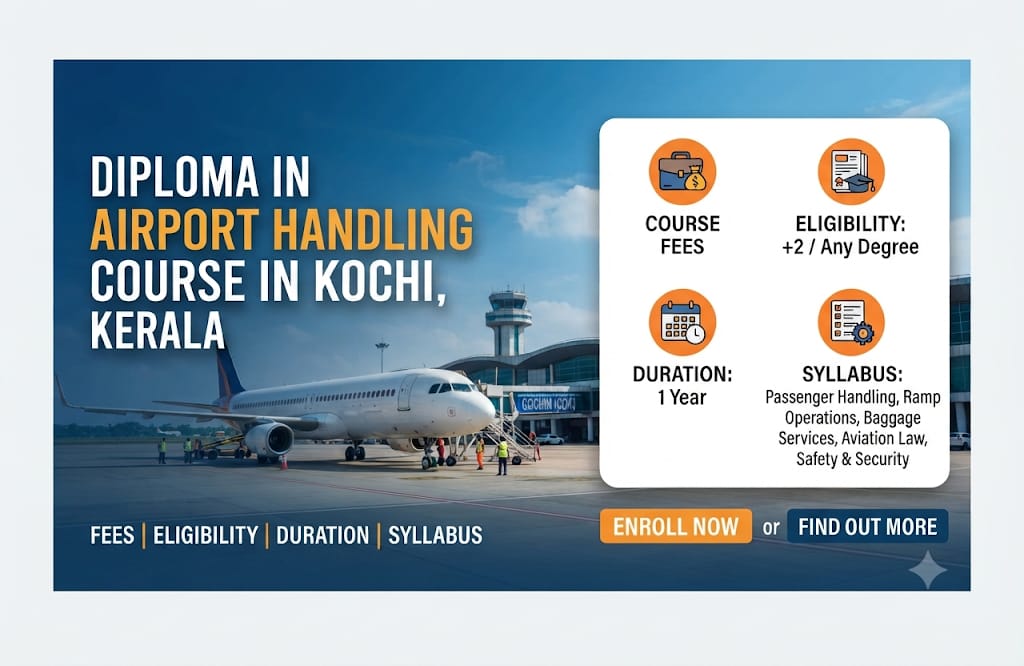
Diploma in Airport Handling Course in Kochi, Kerala: Fees, Eligibility, Duration & Syllabus
Read More
Diploma in Warehouse Management Course in Kochi, Kerala: Fees, Eligibility, Duration & Syllabus
Read More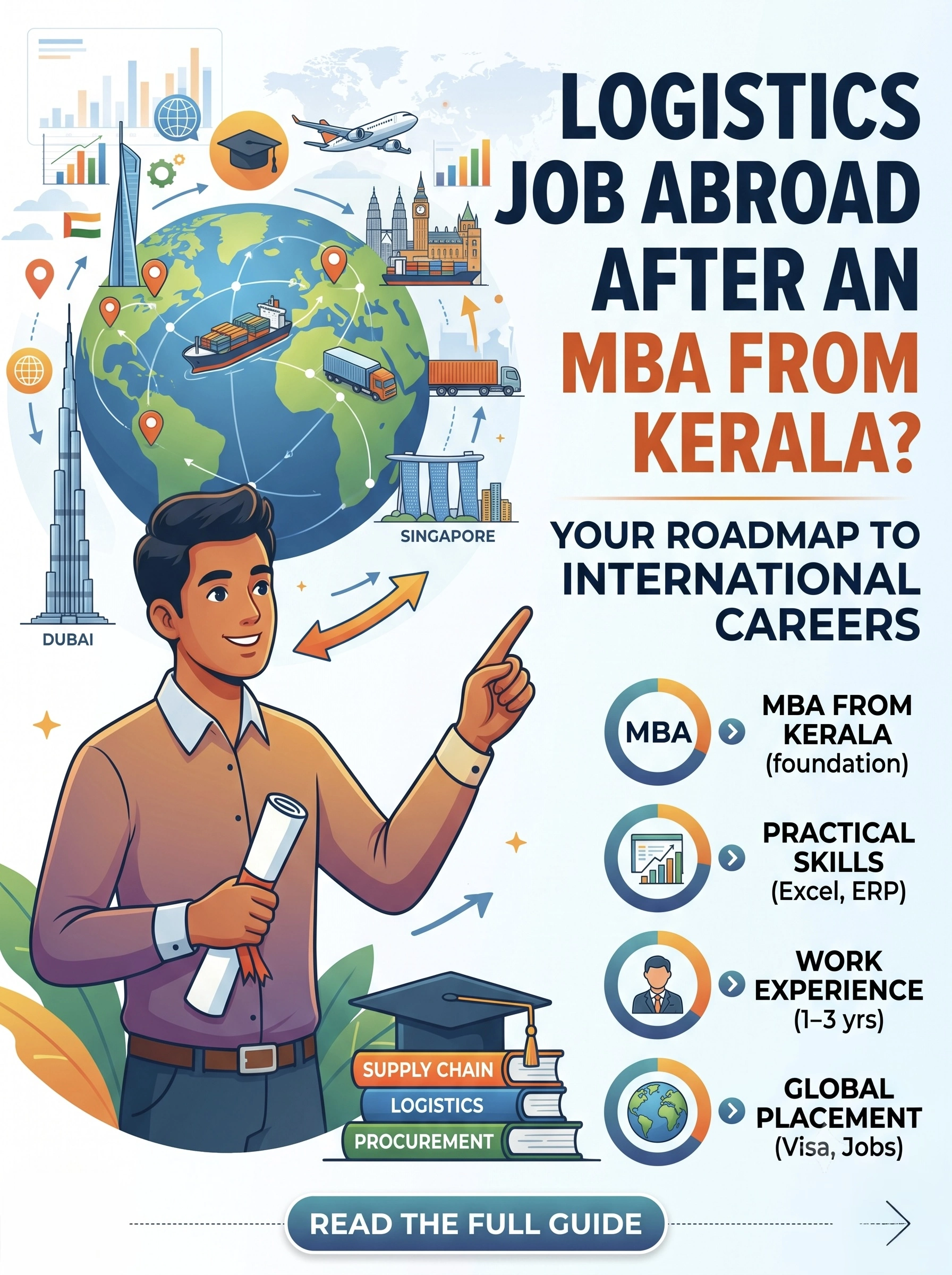
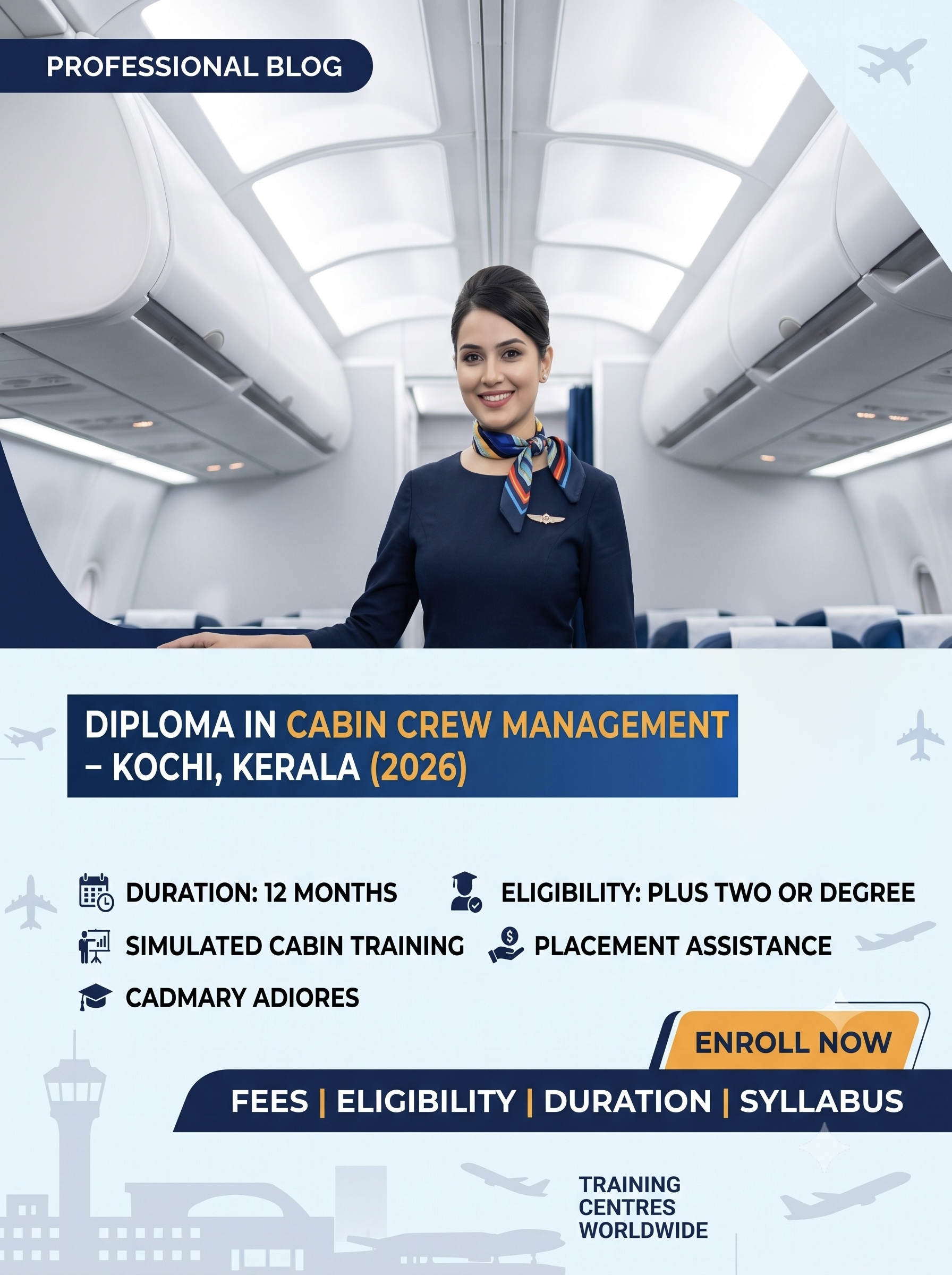
Diploma in Cabin Crew Management Course in Kochi, Kerala: Fees, Eligibility, Duration & Syllabus (2026)
Read More


What Certifications Should Your Aviation Institute Have? A Complete Guide for Students and Parents in Kerala
Read More


How AI and Automation Are Changing Airport Jobs in 2026 — and What It Means for Your Career
Read More
What Is Virtual Reality Training in Aviation? How Kairos Institute Uses VR for Student Learning
Read More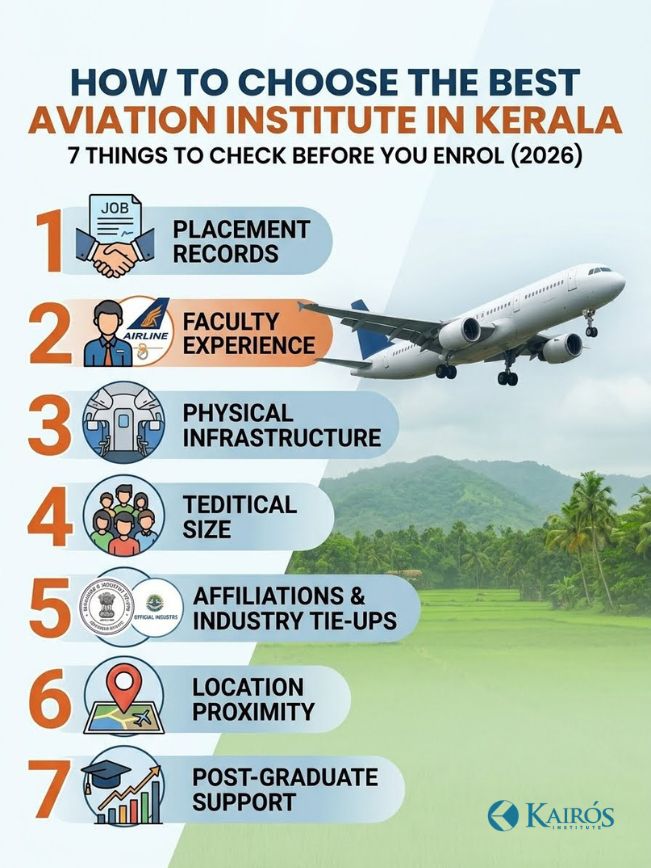
How to Choose the Best Aviation Institute in Kerala — 7 Things to Check Before You Enrol (2026)
Read More